Showing posts with label Tamaracks. Show all posts

Thursday, January 29, 2026

Tamarack Tufts


These tight little bundles

of pale green needles.


Concentrated tufts,

soft to the touch.


Tender packets of life

emergent on Tamarack twigs.


Like batches of matches

rising to ignite


the green fire of spring.

© 2026 Richard Havenga


Photo Locations: Ccannonsburg State Game Area - Kent County - Michigan

Thursday, November 9, 2023

Under a November Sky


I am huddled under

a dull November sky,

ready to start my run,

eager to have it done.


I'm searching for remnants of beauty

along this remote country course:


Brittle leaves on cornstalks

are rattling in erratic winds.


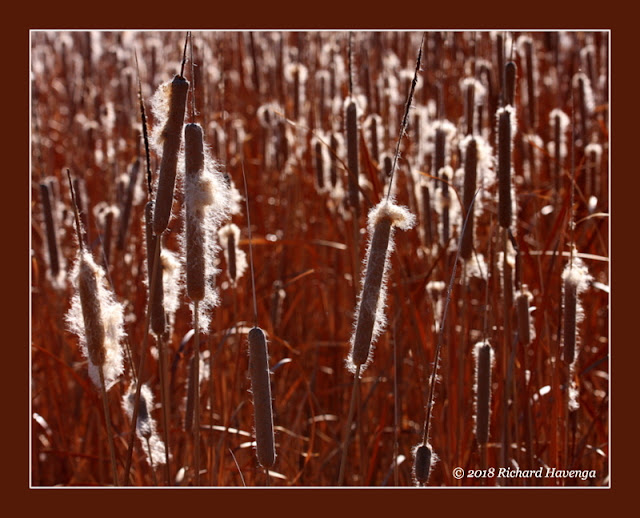
The brown cigars of cattails

are swaying on stiff stems.


Congregations of starlings

mass and merge in leafless trees.


Tamaracks are fading from gold

to tan and dropping soft needles.


Stripped trees ready for slumber

are standing dormant until spring.


An aggressive southwest wind

is whisking through bare branches.


Dark silhouettes of willow trunks

stand steadfast in the wetlands.


Thin crystals of early ice form 

geometric patterns in shallow wetlands.


I'm finding fragments of beauty

under this fine November sky.

© 2023 Richard Havenga


Photo Locations:

1. Grattan Township - Kent County - Michigan

2. Rogue River - Rockford, Michigan

3. Canon Township - Kent County - Michigan

4. Vergennes Township - Kent County - Michigan

5. Home Woods Wetland


Monday, February 21, 2022

Walking the Swamp in Winter


I set out for a walk,

wearing layers

of flannel and fleece,

but winter's cold hand

slaps the tight skin

on my wind-burned face.

Six degrees

makes my eyes water 

blurs my vision.


I seek shelter

from the wind

in a Tamarack swamp,

crowded with cattails,

and arduously  follow

a narrow deer trail

through deep snow

and half-frozen black mud.


While stumbling and grunting

through eight-foot cattails,

fluff is sticking to my lips,

and to my stocking hat.

Hidden hummocks of grass

trip me up,

try to bring me

down.


I try to maintain balance,

and get warmed-up

by the effort.

© 2022 Richard Havenga


Photo Locations:

1. Townsend Park - Kent County - Michigan

2. 3. & 4. Cannon Township - Kent County - Michigan


Thursday, December 24, 2020

Saul Lake Bog


Fine tracings
of arching grasses
are frosted at dawn.

Thick shrubs of Cranberry

display red and green leaves 

packed tightly along their twigs.


Browned cattail leaves

curve down from their heights,

more brittle than their summer selves.

A White-tailed buck

stands tall in the Tamaracks;

alert and muscular,

displaying a large rack of antlers.

A few hundred Canada Geese

announce their departure;

rise clamorously

off the shallow water,

assemble airborne into formation,

and depart over autumn leaves.

Winterberry and

large rose hips

add red highlights

into the dense shade.


Black-capped Chickadees

balance like acrobats

while picking at seed heads

of dried wildflowers

and cattails.


Morning has broken 

at Saul Lake Bog.

© 2020 Richard Havenga


Photo Locations:

Saul Lake Bog Nature Preserve - Grattan Township - Kent County - Michigan


Monday, May 4, 2020

The Language of Trees


The language of trees
speaks to me through:


Magnificent maples, 
when they produce
the song of the samaras
spinning back to earth.


Flexible willows 
creating curtains of yellow braids
weaving long lines
in the light wind.


Elegant, old oaks
spreading broad branches 
from a solid, sturdy trunk.


Tall, tapering tamaracks
when they display warm,
yellow candle glow
illuminating the wetlands.


 Intricate American Beech
in the spring when their buds
birth tender, pastel leaves.


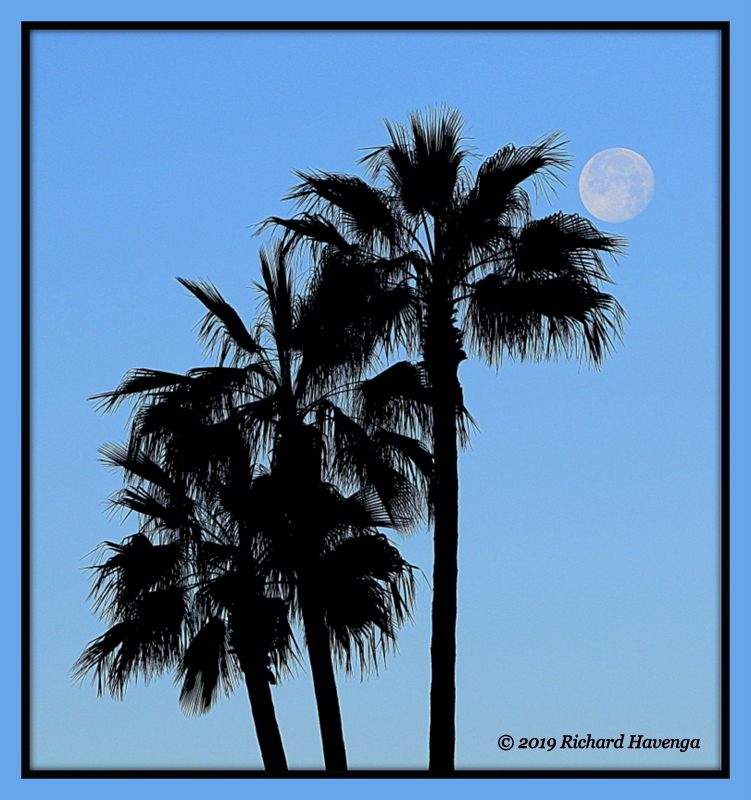
Persistent palms;
towering to touch the moon,
or catching a patchwork
pattern of sunlight.
© 2020 Richard Havenga


Photo Locations:

1. Dad's Farm - Kent County, Michigan

2. Blythefield Memory Gardens - Kent County - Michigan

3. Grand Detour, Illinois

4. Townsend Park - Kent County - Michigan

5. Home Woods - Cannonsburg, Michigan

6. SaddleBrookeArizona

7. Estero, Florida


Monday, November 2, 2015

Tamarack


early November
wind pushes cumulus and
golden Tamaracks
© 2015 Richard Havenga


You may also like this green edition of Tamaracks: "brushes" (April 27, 2015)

Photo Location: Cannon Township - Kent County, Michigan


Monday, April 27, 2015

brushes


tips of tamaracks
like watercolor brushes
paint with pastel greens

© 2015 Richard Havenga


You may also like Tamaracks - the creative non-fiction version, with a good Botany lesson, from May 3, 2012.


Photo Location:

Egypt Valley State Game Area - Kent County, Michigan


Tamarack - Larix laricina


Friday, May 2, 2014

Dawn's Invitation


a faint evening breeze
leaves our woods,
traveling eastward
into the hay field,
touching new alfalfa,
passing over
the Bobolink's nest,
eventually settling
into the tranquility
of the Tamarack swamp,
to be held gently overnight,
within soft, green needles,
to wait with anticipation
for dawn's invitation
to explore 
tomorrow.
©  2014  Richard Havenga


Photo Location: Saul Lake Bog, (Saul Lake Bog) Kent County,  Michigan

Tamarack - Larix laricina


Sunday, January 13, 2013

Remnants of Pickerel Lake


Remnants of Pickerel Lake


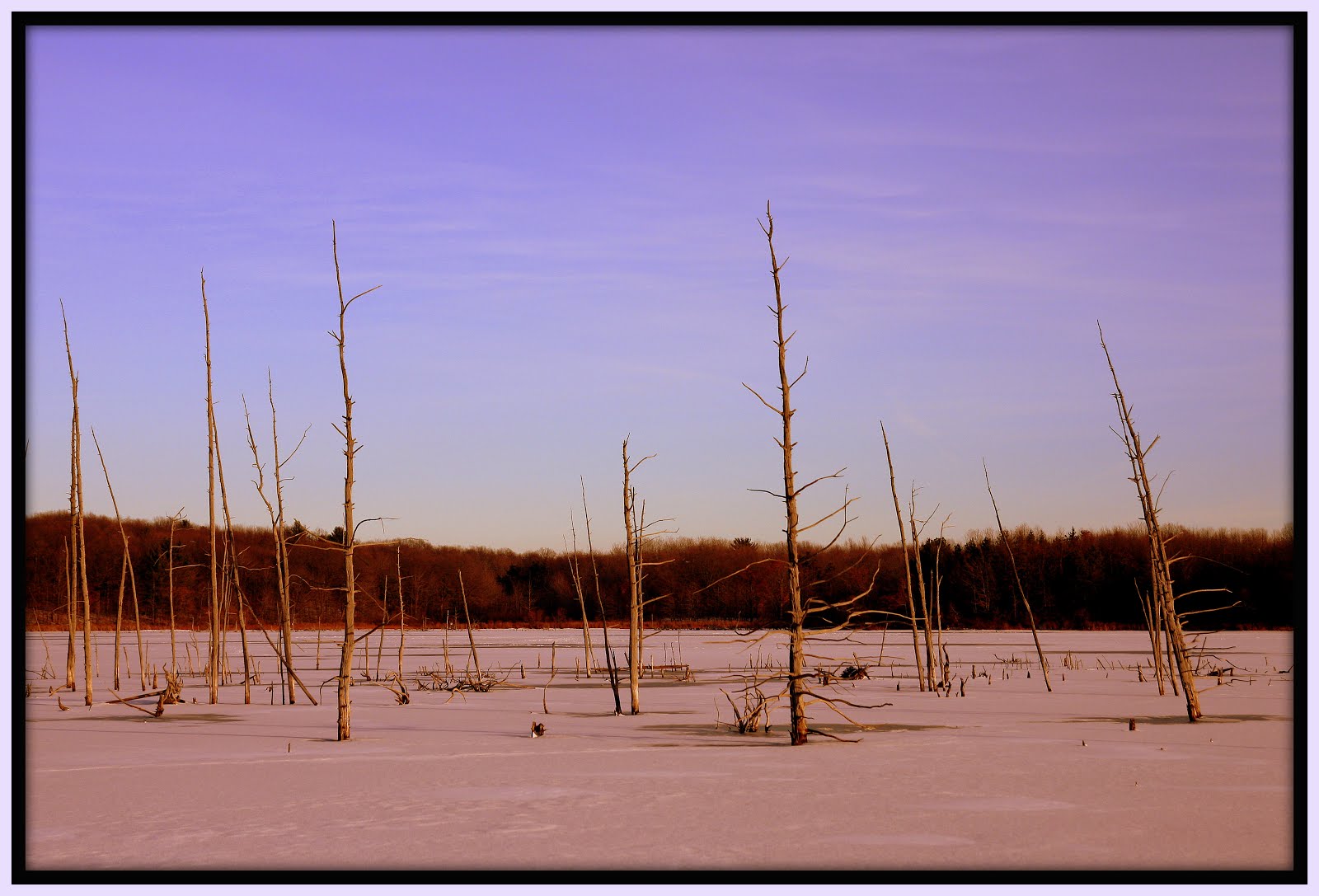
I took a walk on the new ice last week.


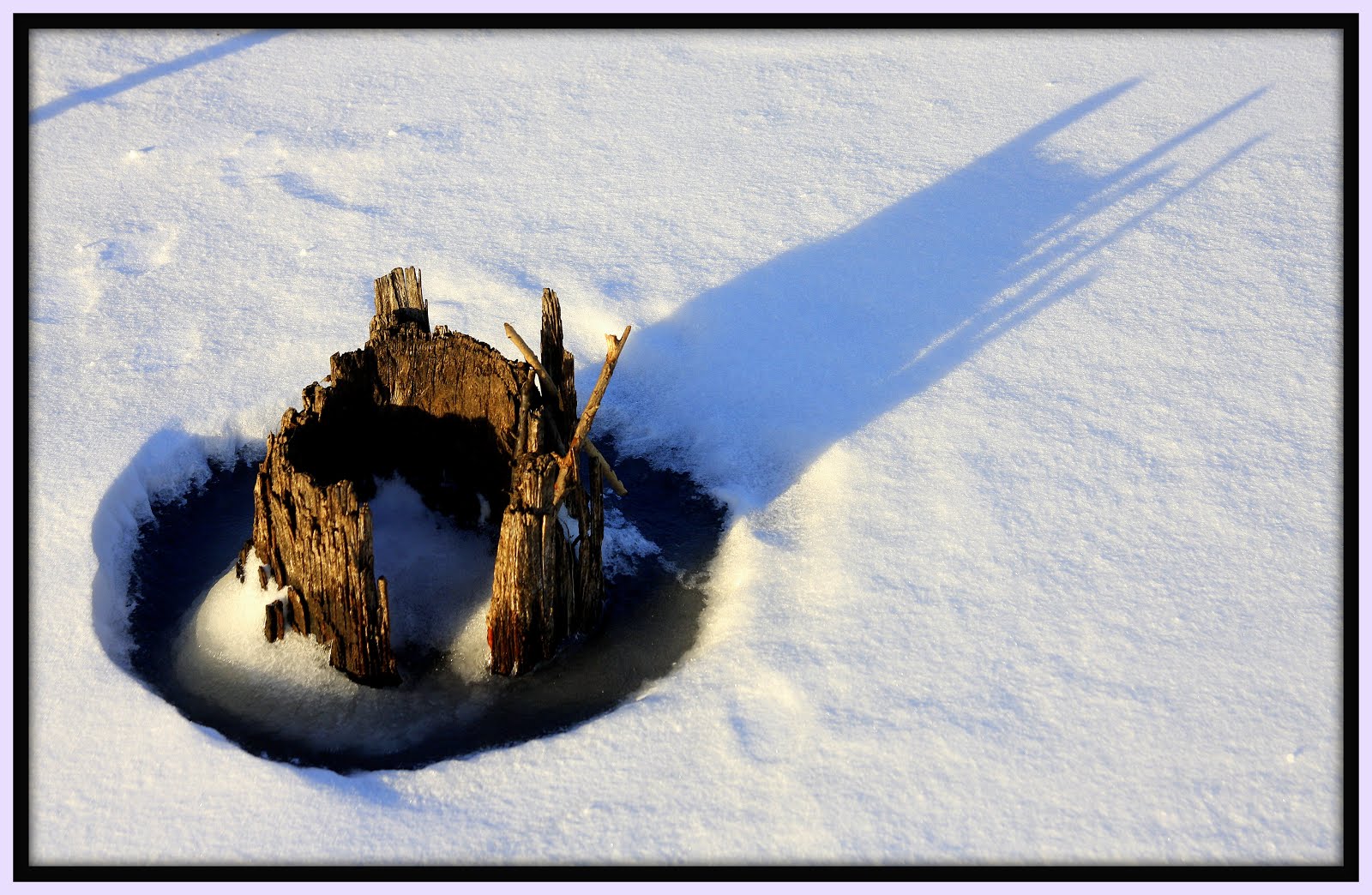
The early evening sun throws long shadows.


Long-dead Tamaracks give character to this shallow lake.


Years of weathering, wind, and sun enhance the wood grain.


Long, tapered branches twist and persist.


How much longer will this Tamarack stand?


(Click on photos to enlarge)


Photo Location:  Pickerel Lake Park,   (Pickerel)  Kent County,  Michigan

Thursday, May 3, 2012

Tamaracks

The Tamarack stands pretty low on the popularity list of Conifers, but not for me; and I'm out to change your mind.  The Pines and Spruces are well-known. Then the Hemlocks and Firs, followed by the Cedars and Junipers. Think of Tamaracks as the undrafted free agents. They don't attract a lot of attention, but they're in my top five list of favorite trees.


You must be intentional if you want to observe a Tamarack up close. The terms Tamarack swamp, and Tamarack bog may not appeal to the average person, but you are above average, always eager to learn. So put on your knee boots and take a Walk With Father Nature.


You can distinguish Tamarack from all other conifers by these unique characteristics:

Numerous, short, soft, light blue-green needles.


(Hardly a needle, it is so soft and pliable) From a distance, they appear "feathery".

"Warty" twigs (looks nicer than it sounds).


Short cones ( 1/2" - 3/4" long).


They shed all their needles in the fall. I have shots of those golden needles, just before falling, but I will save them for the fall. Guess you'll have to come back.

A Deciduous Evergreen is an oxymoron.
A Deciduous Conifer sounds odd, but is accurate for the Tamarack.
Conifer simply means cone-bearing.

HABITAT:

They require open sunlight, forming a pyramidal crown. The lower section is broader, more open, with irregular horizontal branches.


Tamaracks grow rapidly for 40 - 50 years, then it slows considerably, reaching possibly 150 years old.
Height = 40' - 50', 75' max. Its root system is shallow and wide-spread in the wet ground.

LEAVES:

Needles are scattered singly on new shoots, but clustered (in bundles of 15-35) on short, lateral branches. They sprout from what looks like a miniature, woody stump, with concentric rings.


FLOWERS (Cones):

Unisexual; on the same tree. Female cones start out with rose-red scales; appearing on 2-4 year old branches.


They ripen in the fall and shed their seeds.


The northernmost Tamaracks reproduce by new shoots rising from buried branches.


OTHER:

Infestations of Larch Sawfly attract several bird species to the Tamarack. Red Crossbills extract seeds from the cones, while species of grouse consume the leaves (needles) and buds. Mice, voles and shrews stash or eat seeds fallen to the ground. Snowshoe Hares and Porcupines feed on the bark.


References:

The Book of Swamp and Bog
(Trees, Shrubs, and Wildflowers of Eastern Freshwater Wetlands)
John Eastman
Illustrated by Amelia Hansen
c 1995 Stackpole Books

Michigan Trees
Charles Herbert Otis
University of Michigan Press
c 1931, 1965